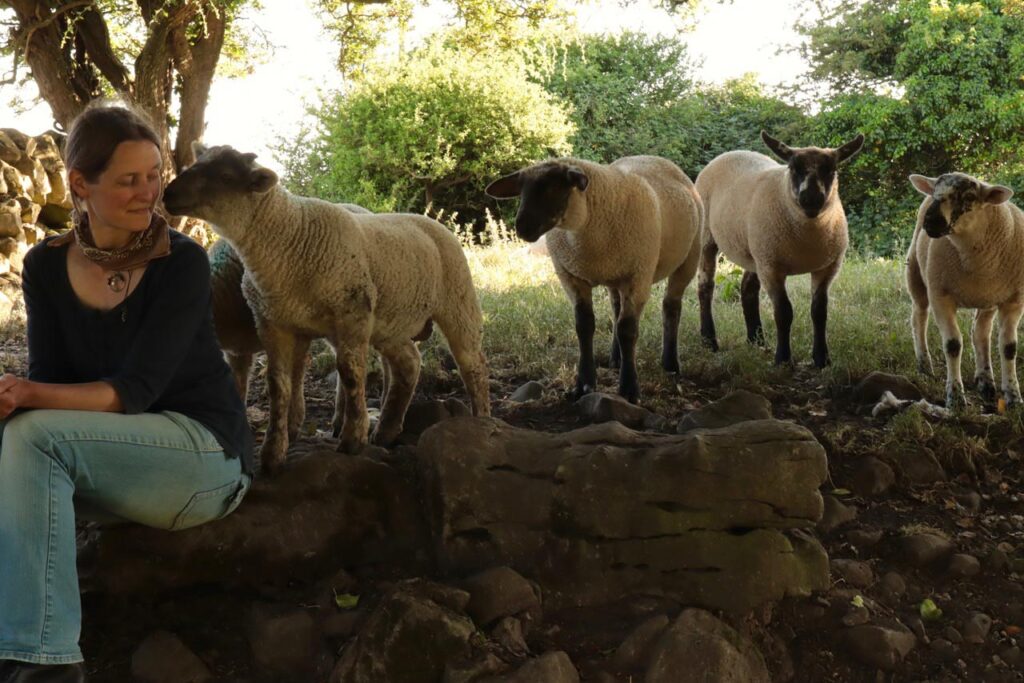
Greek: homoion: similar, pathos: disease
Samuel Hahnemann
Samuel Hahnemann (1755 – 1843) was a German doctor and pharmacist.
His wish was to cure his patients in the fastest way without side effects.
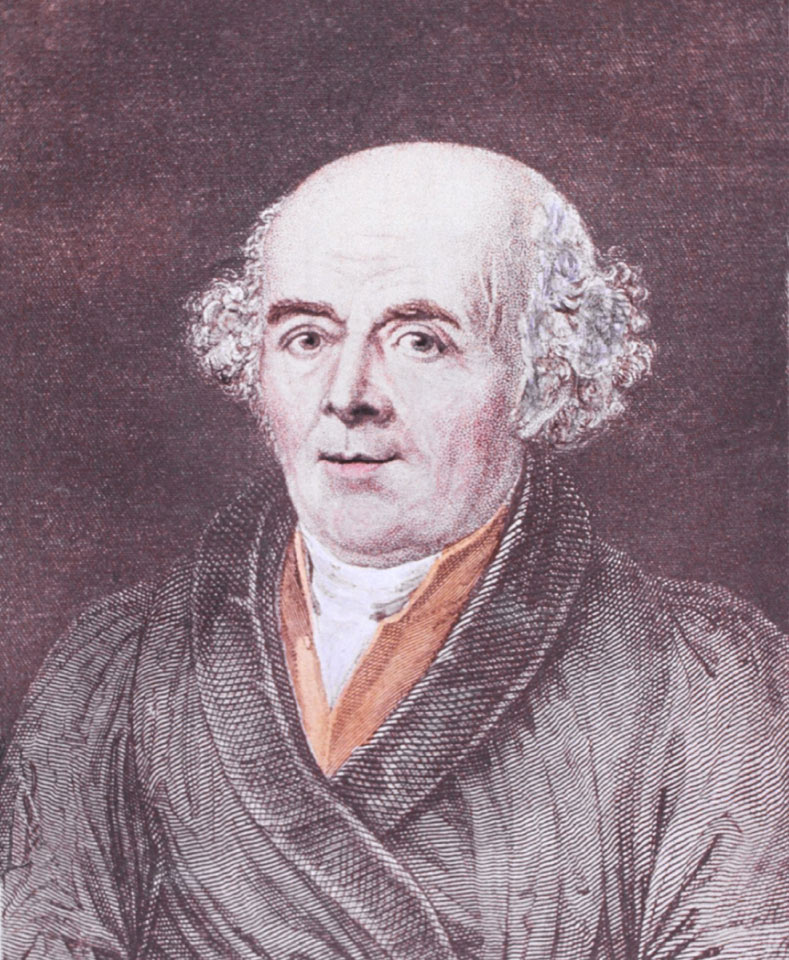
He spoke 5 languages and therefore translated medical books. One day he translated a book on the treatment of malaria with Cinchona bark, which was extremely effective. He was wondering about the reason for that and had the idea of taking the bark himself, even though he was completely healthy. He then developed malaria-like symptoms. Thus he discovered that every substance is capable of producing symptoms in the organism.
He concluded from this that a remedy that can create certain symptoms is also capable of eliminating these symptoms in a sick organism.
Hahnemann now gathered knowledge about the remedies in so called provings. The remedy was given to healthy people and the resulting symptoms were noted.
e.g.: 12 healthy people are given chamomile in C 30 daily for 2 weeks. They now develop symptoms (one cheek hot, the other cold, irritability, burning soles of the feet, diarrhoea like chopped spinach…). These tests are repeated with different people and the most frequent symptoms are summarised in the remedy picture.

In homeopathic treatment, an attempt is now made to match the patient’s symptoms with the remedy picture. The remedy that shows the greatest similarity to the patient’s symptoms is therefore always sought (not same with same, but like with like).
In classical homeopathy, therefore, only one remedy is given at a time in order to avoid drug provings in the patient.
Sometimes complex remedies (homeopathic remedies, that are mixed from many potentised remedies) are used, if it’s too hard to gather enough information about all the symptoms of an illness, that would be necessary to prescribe a single remedy e.g. in animals.